What is rotary transfer machining?
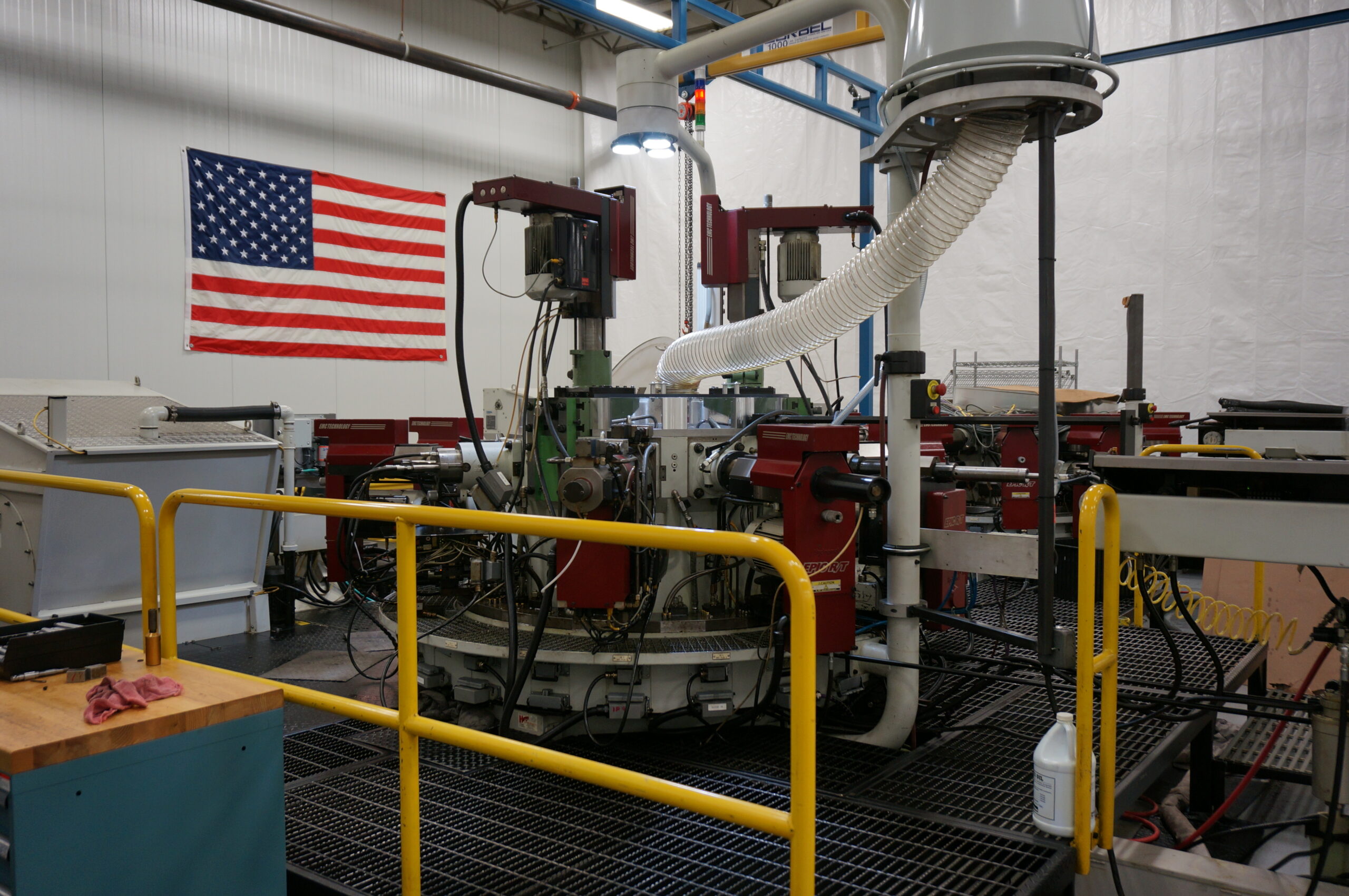
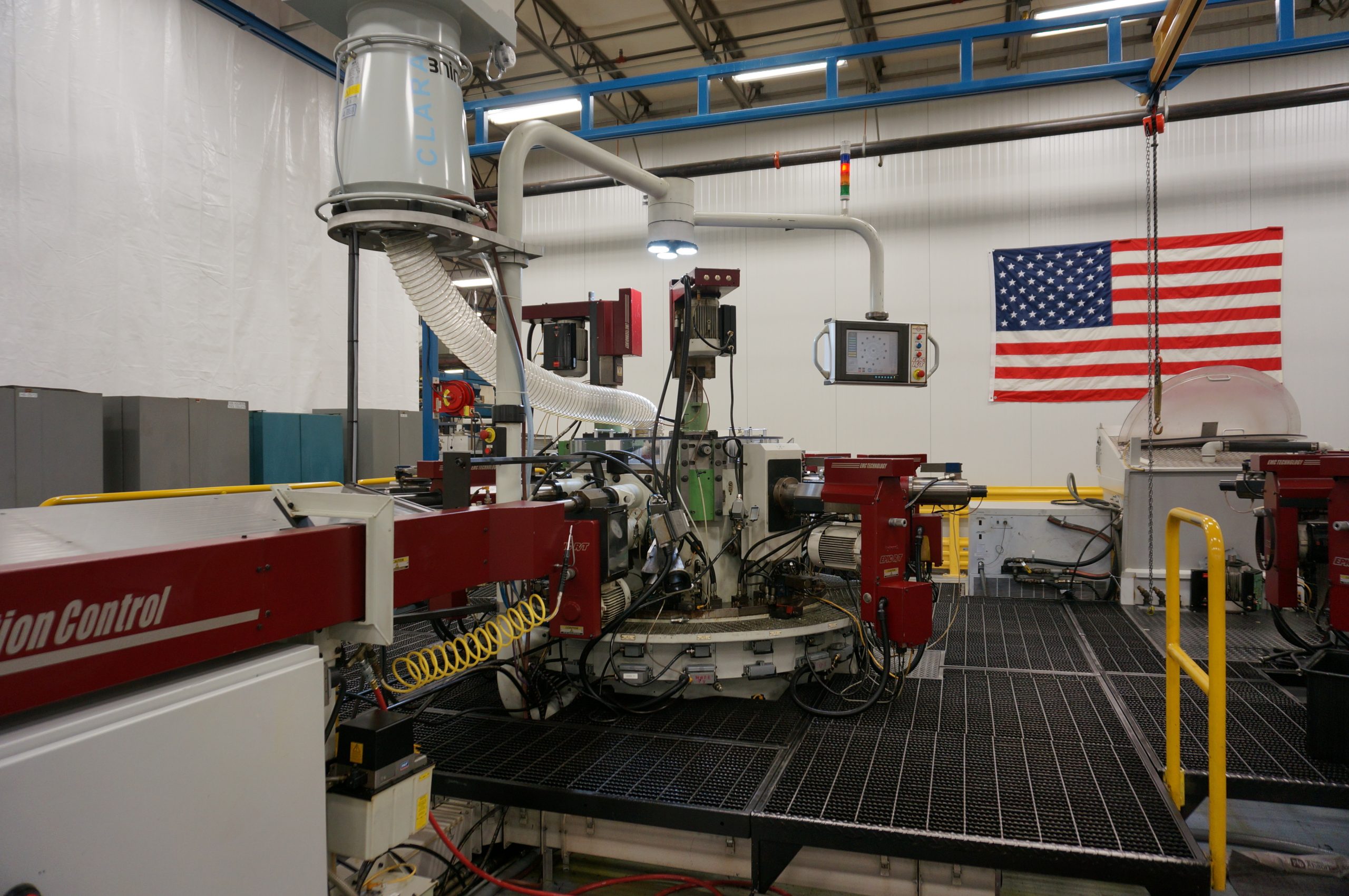
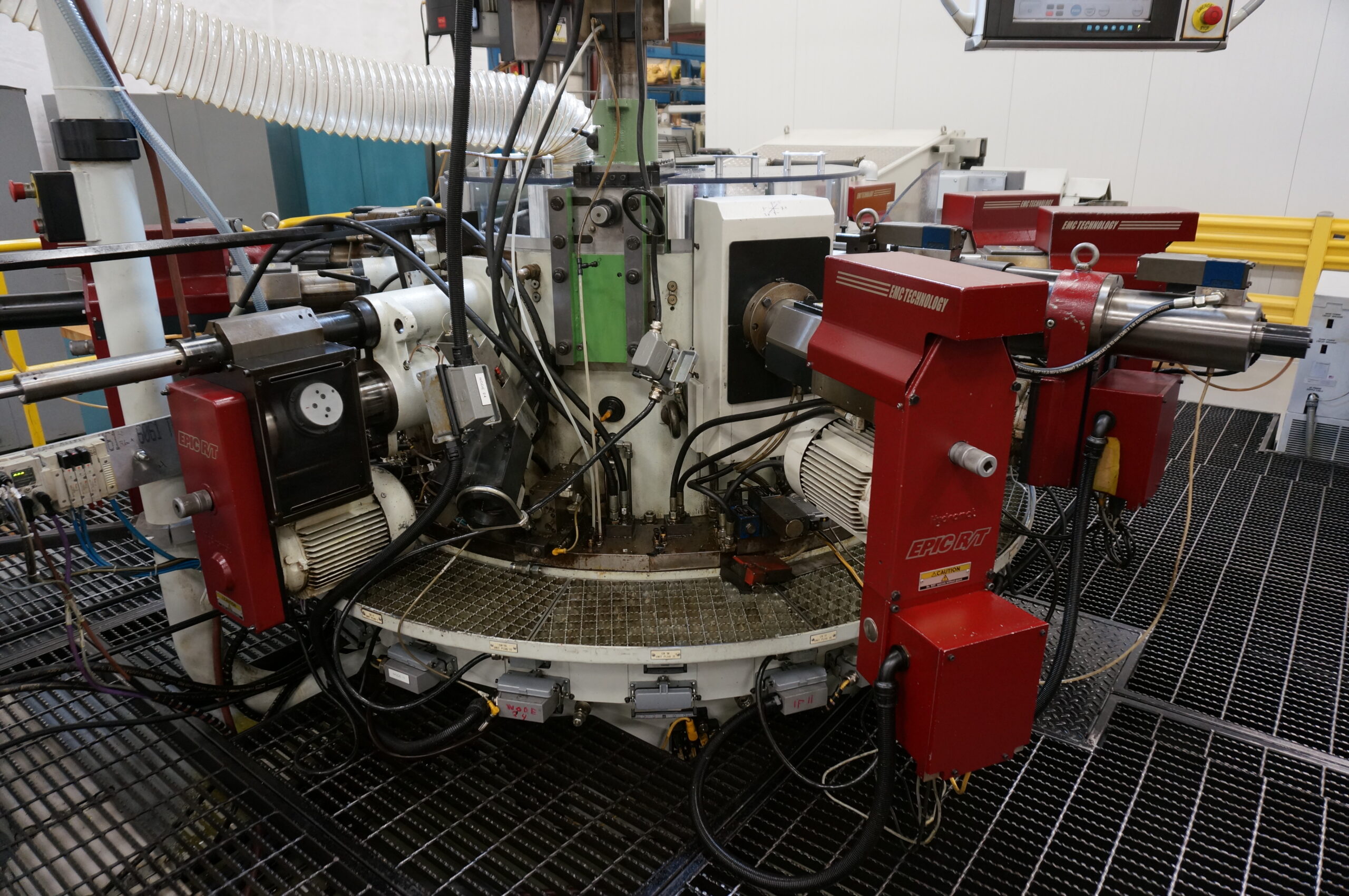
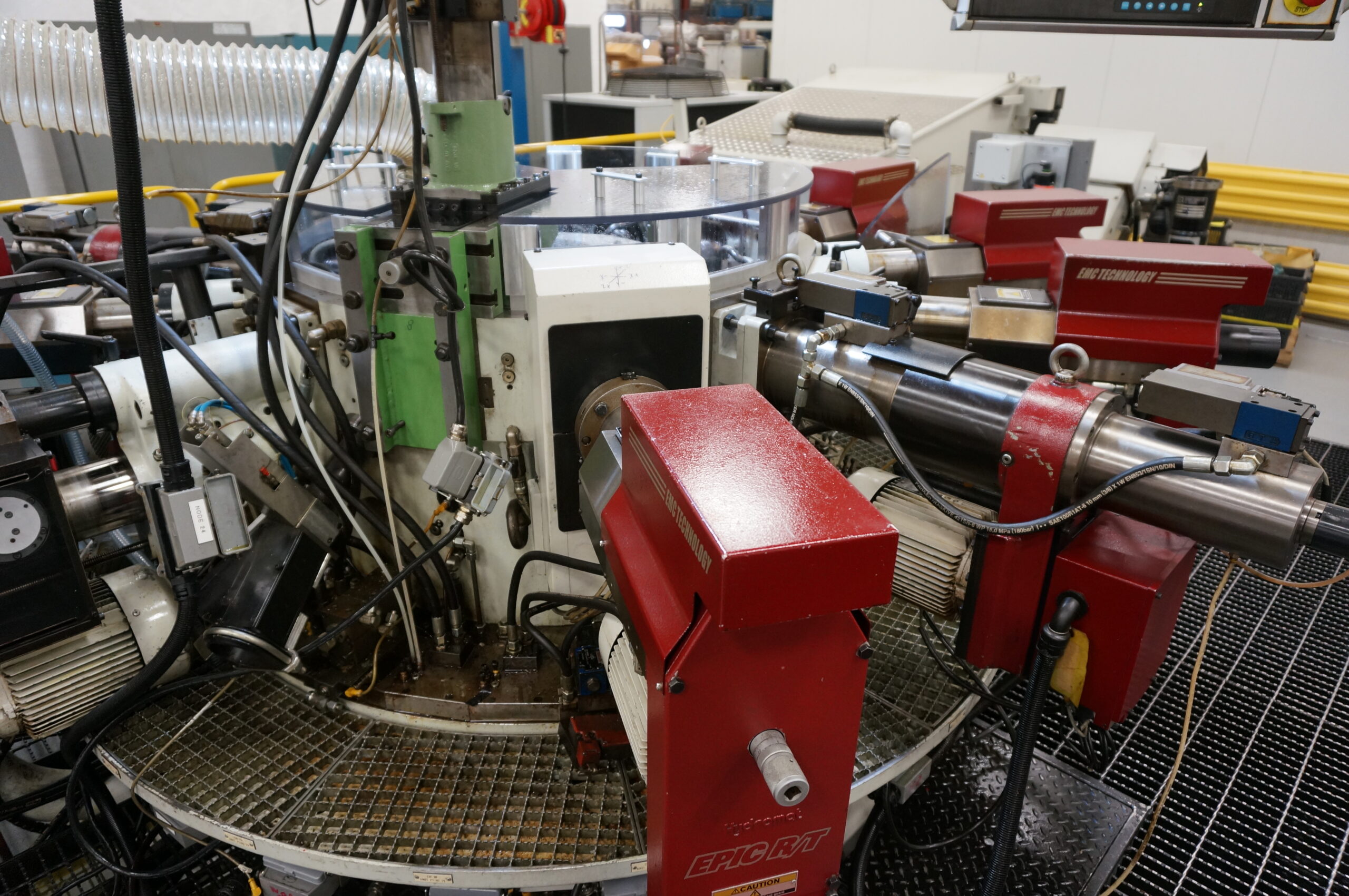
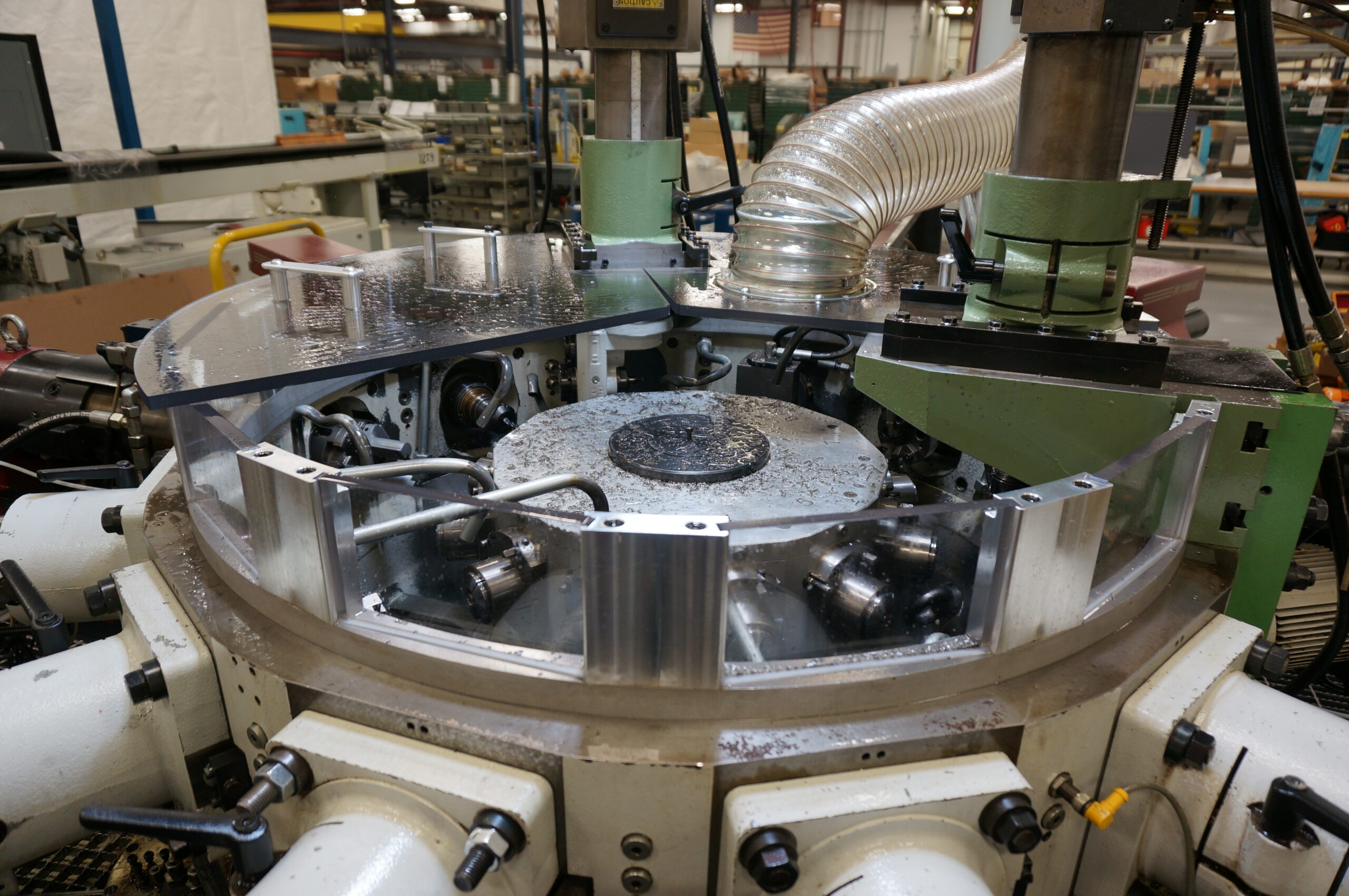
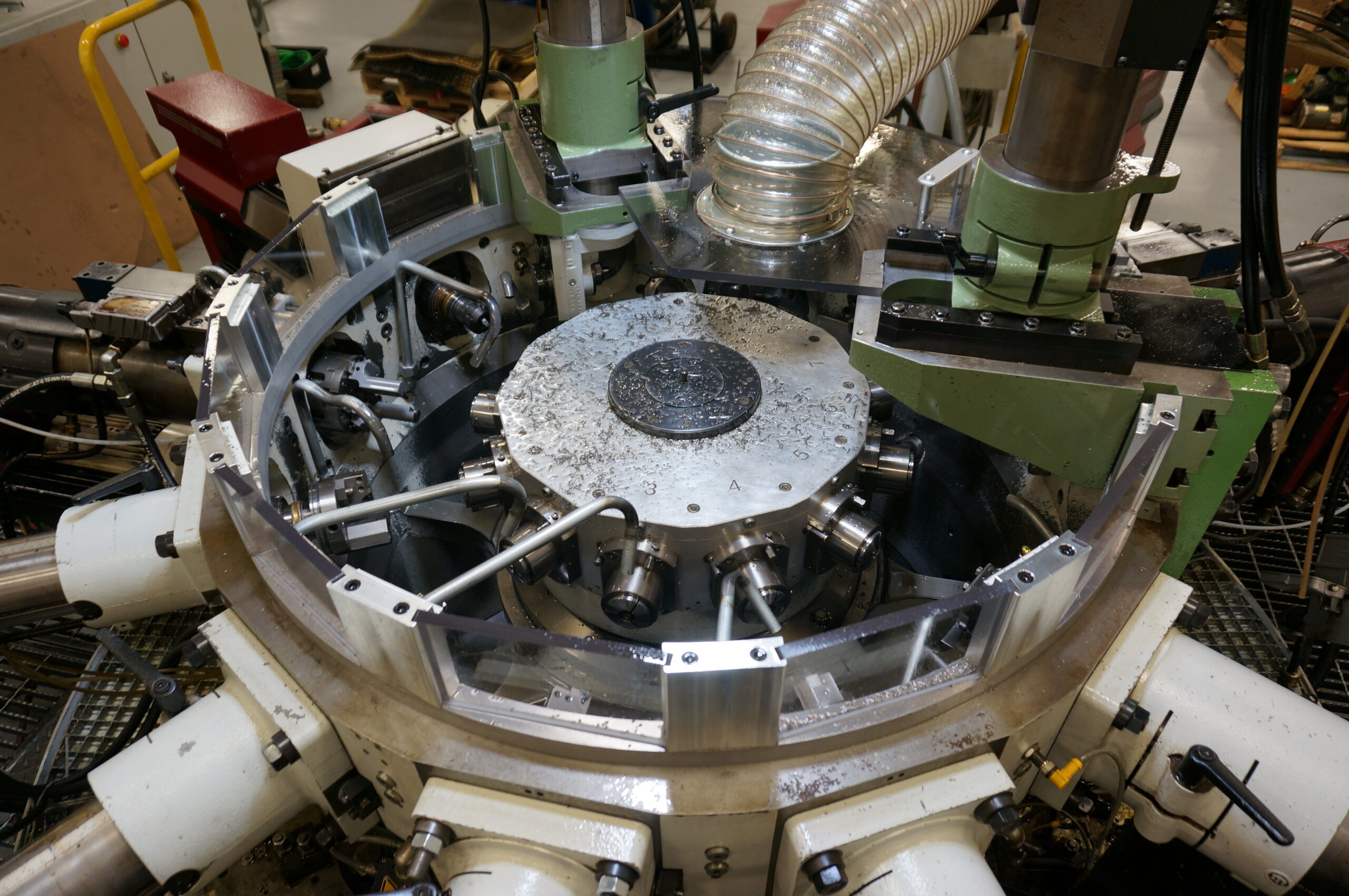
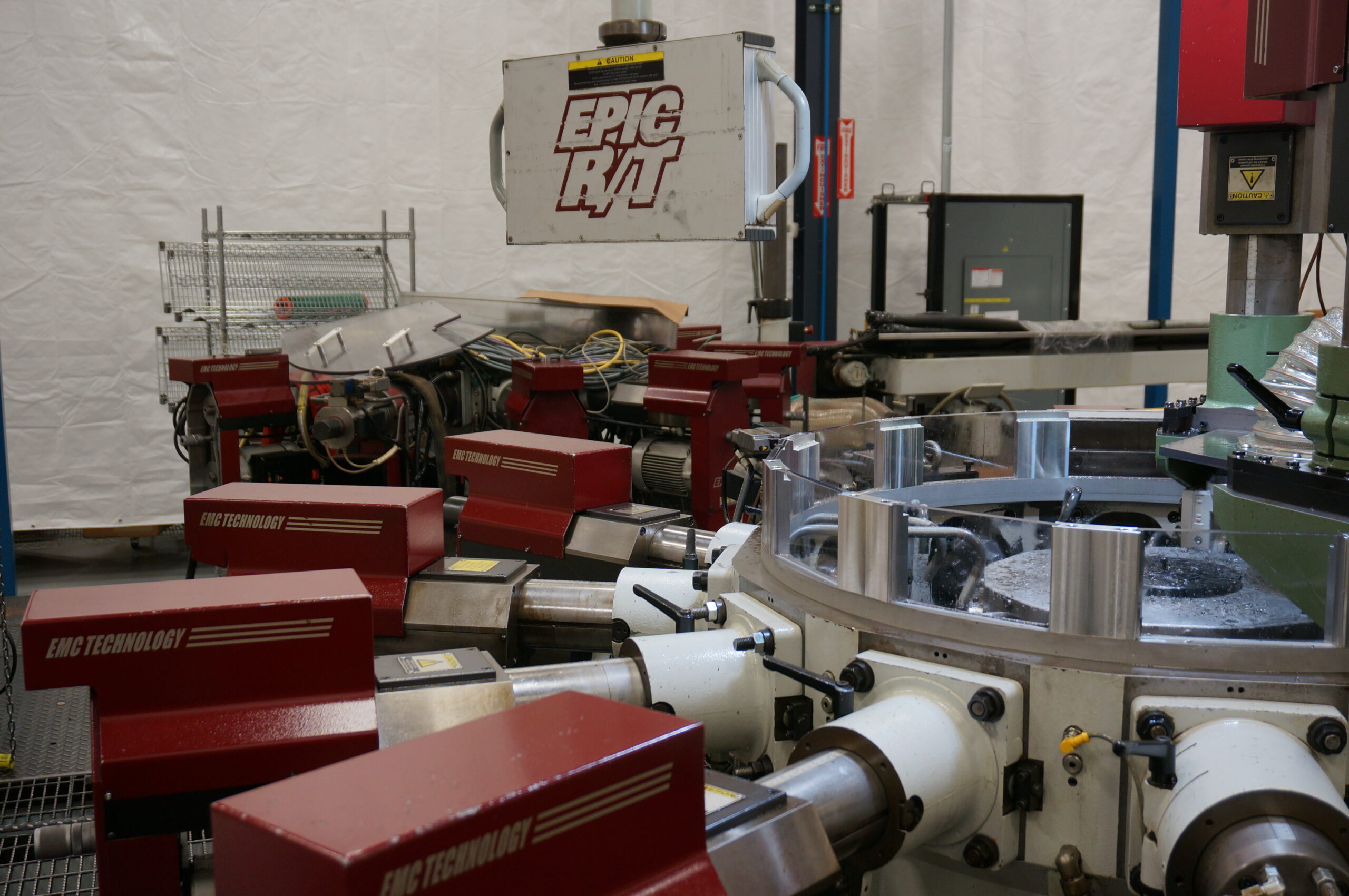
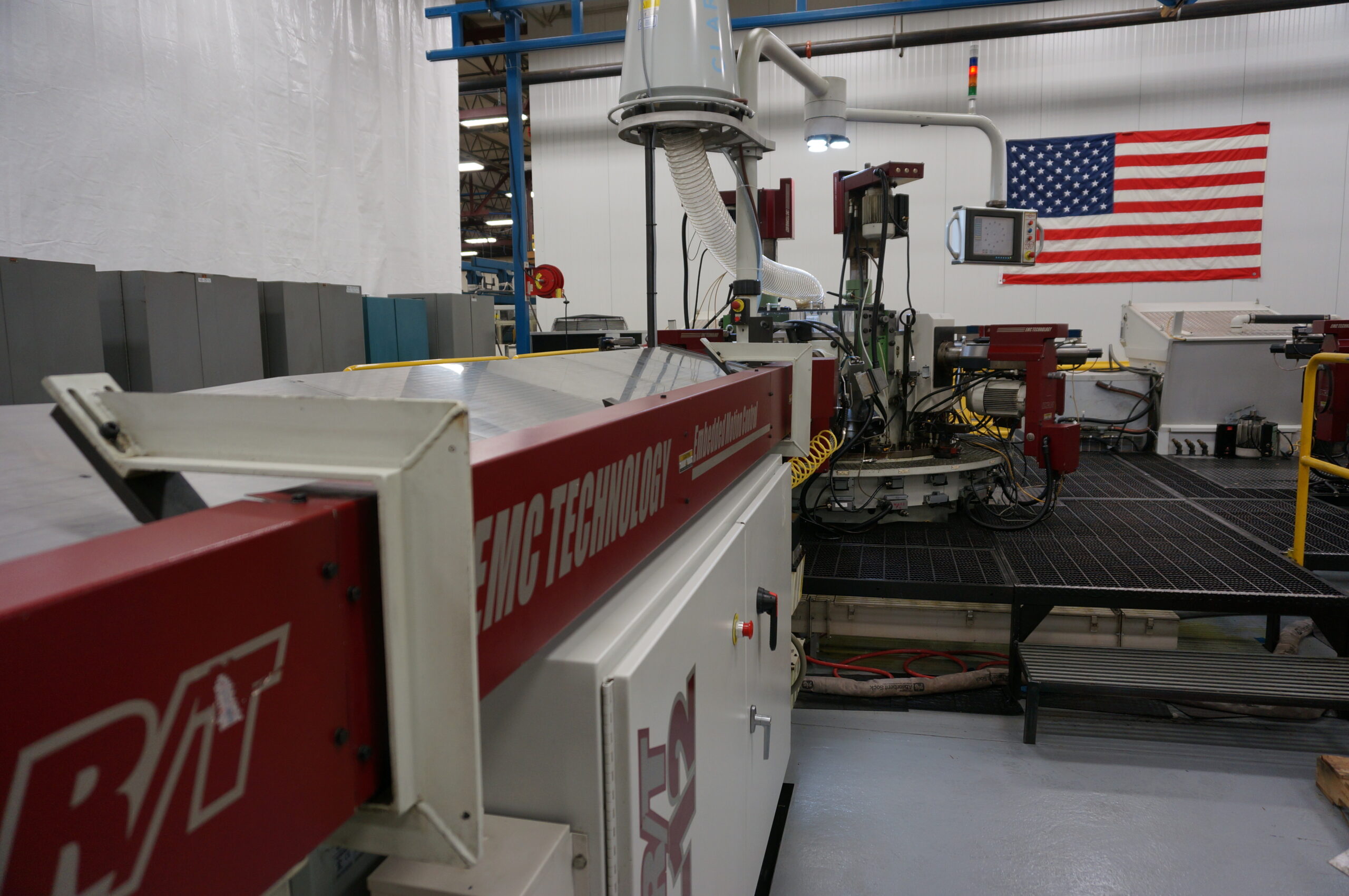
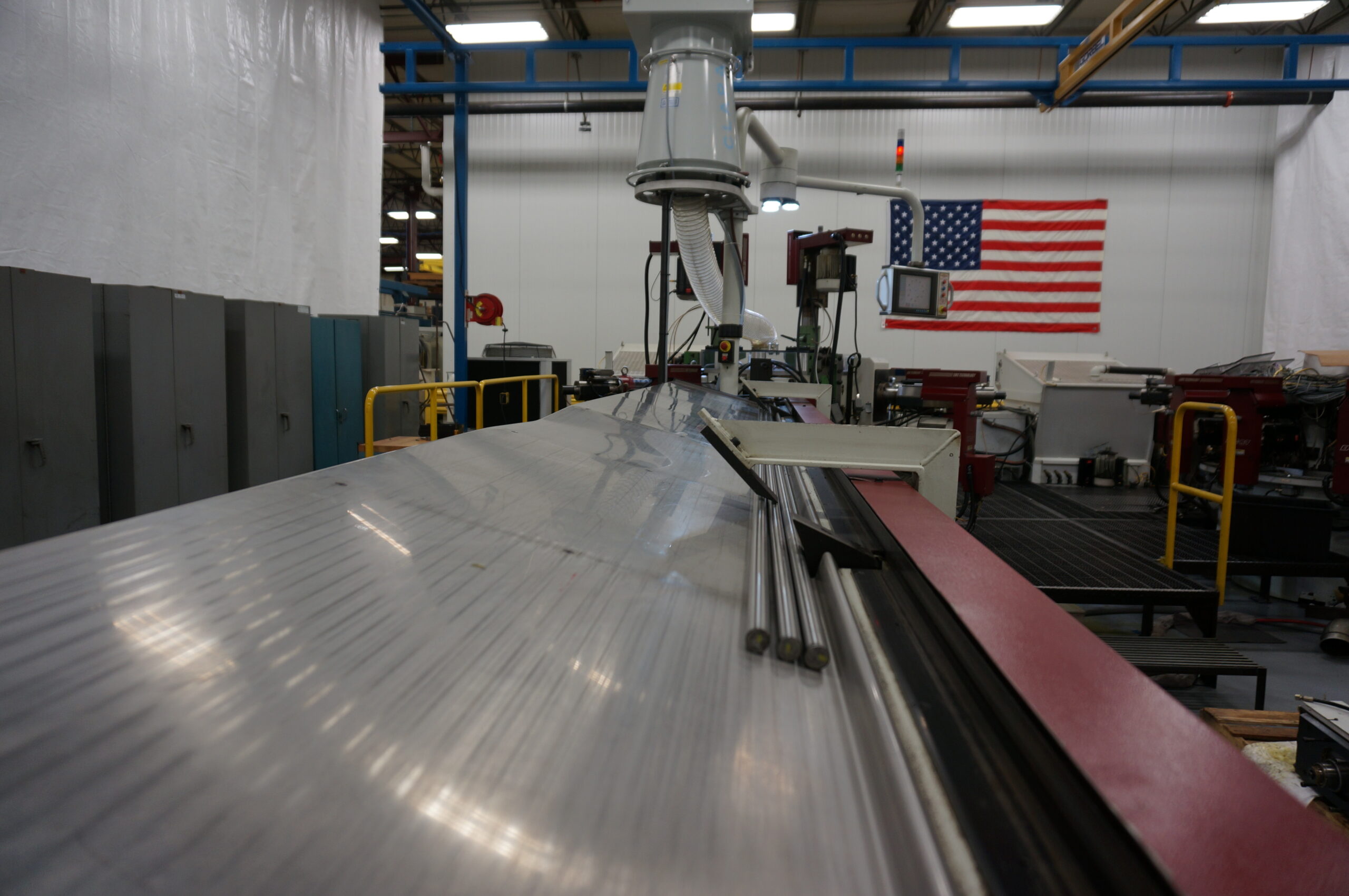
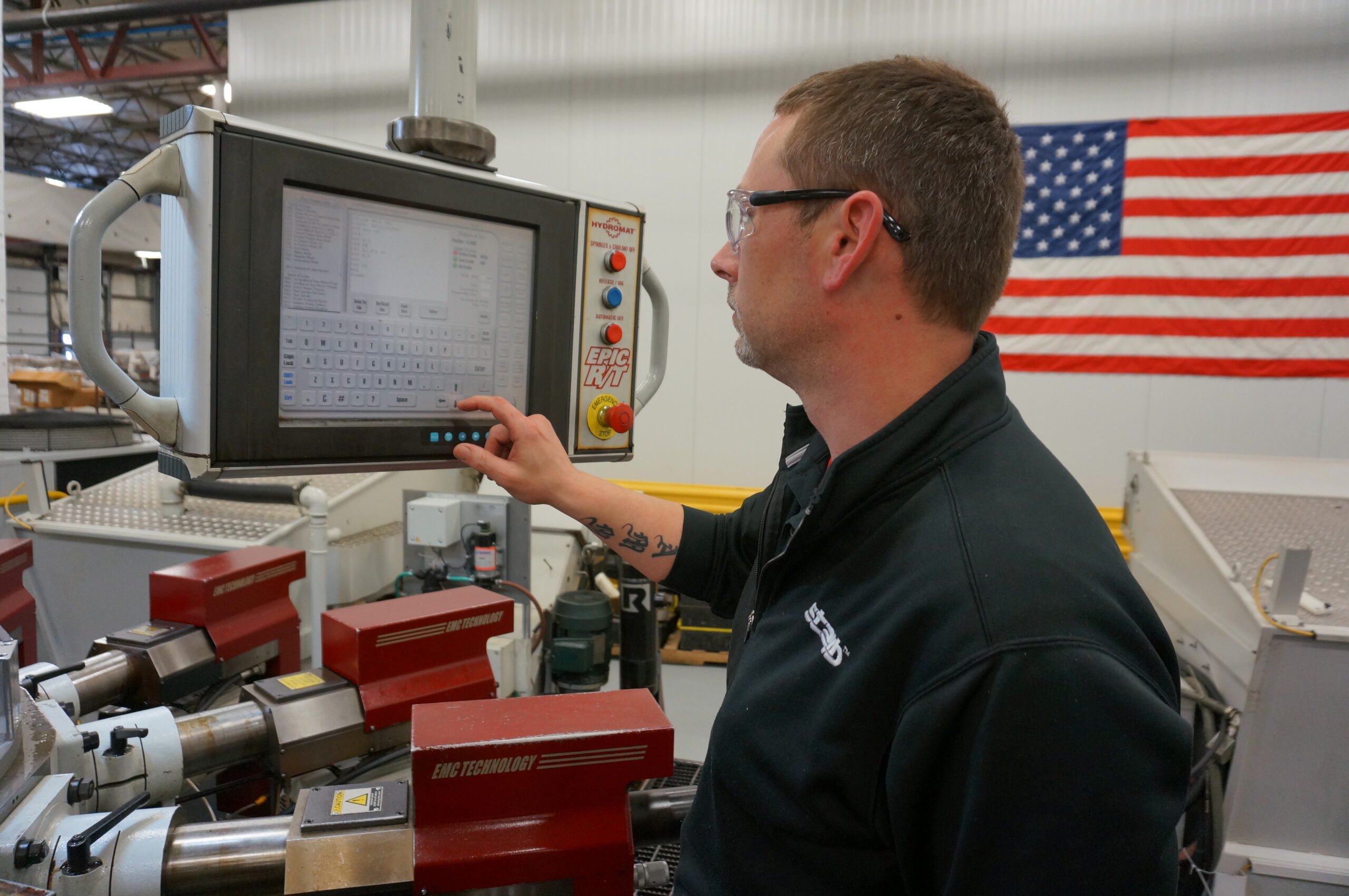
Rotary transfer machining is a high-volume manufacturing process that uses an indexing table with multiple machining stations arranged around a central platform. As parts rotate between stations, multiple operations are completed sequentially, enabling efficient mass production of precision components.
When is rotary transfer machining the best manufacturing solution?
Rotary transfer machining is ideal for blanket orders, repeat production programs, and large-quantity component manufacturing. The process is optimized for recurring parts where cycle time reduction and production consistency are critical.
How does rotary transfer machining improve production efficiency?
Because multiple machining operations occur simultaneously across dedicated stations, rotary transfer systems significantly reduce handling, setup time, and secondary operations. This results in faster throughput and lower per-part manufacturing costs.
Can rotary transfer machines produce complex precision parts?
Yes. Modular machining stations allow operations such as drilling, tapping, turning, chamfering, and milling to be completed within a single automated cycle, supporting both simple and complex part geometries at production scale.
How does rotary transfer machining fit within Staub’s automated manufacturing approach?
Rotary transfer machining integrates with Staub’s broader automation, inspection, finishing, and assembly workflows to support reliable, high-volume contract manufacturing programs with consistent repeatability and quality control.